





Which certifications should I check for high frequency inverters?
- High-Frequency Power Inverters: Essential Insights for Informed Purchasing
- 1. What Are High-Frequency Power Inverters?
- 2. Which Certifications Should I Check for High-Frequency Inverters?
- 3. What Are Common Issues with High-Frequency Inverters?
- 4. How Can I Maintain High-Frequency Inverters for Longevity?
- 5. What Are the Advantages of Choosing Congsin High-Frequency Inverters?
High-Frequency Power Inverters: Essential Insights for Informed Purchasing
When considering the purchase of a high-frequency power inverter, it's crucial to understand various factors that influence performance, reliability, and compliance. This guide addresses common questions and provides expert insights to assist in making an informed decision.
1. What Are High-Frequency Power Inverters?
High-frequency power inverters are devices that convert direct current (DC) into alternating current (AC) using high-frequency switching techniques. They are known for their compact size, lightweight design, and improved efficiency compared to traditional low-frequency inverters. These inverters are commonly used in applications such as solar energy systems, uninterruptible power supplies (UPS), and electric vehicles.
2. Which Certifications Should I Check for High-Frequency Inverters?
When evaluating high-frequency inverters, ensure they possess the following certifications:
IEC 62109: Specifies safety requirements for power electronic converters and inverters used in photovoltaic power systems, ensuring safe operation under various conditions.
IEC 61727: Focuses on the utility interface of photovoltaic systems, ensuring inverters can safely connect to the grid and feed power back without causing harm.
UL 1741: Pertains to inverters, converters, controllers, and interconnection system equipment for use with distributed energy resources, ensuring compliance with safety standards.
CE Marking: Indicates conformity with European Union safety, health, and environmental protection standards, applicable to inverters sold within the EU.
VDE EMC Certification: Ensures electromagnetic compatibility, confirming that the inverter operates without causing interference to other electronic devices.
3. What Are Common Issues with High-Frequency Inverters?
Understanding potential issues can aid in troubleshooting and maintenance:
Overheating: Caused by inadequate ventilation, leading to component damage. Ensure proper airflow and clean cooling systems.
Overcurrent: Occurs due to load short circuits or mechanical issues. Regular inspections and proper settings can prevent this.
Undervoltage: Results from low main circuit voltage or damaged components. Verify voltage levels and component integrity.
Communication Failures: Caused by loose connections or parameter mismatches. Inspect wiring and ensure correct settings.
4. How Can I Maintain High-Frequency Inverters for Longevity?
Regular maintenance is key to extending the lifespan of your inverter:
Routine Inspections: Check for loose connections, worn components, and physical damage.
Cooling System Maintenance: Clean air filters and ensure fans are operational to prevent overheating.
Electrical Noise Management: Use shielded cables and proper grounding to minimize electromagnetic interference.
Component Replacement: Replace worn-out parts like capacitors or fans promptly to maintain optimal performance.
5. What Are the Advantages of Choosing Congsin High-Frequency Inverters?
Congsin offers high-frequency inverters that stand out due to:
Advanced Technology: Incorporating the latest advancements for enhanced efficiency and reliability.
Comprehensive Certifications: Meeting international standards for safety and performance.
Robust Support: Providing extensive customer service and technical assistance.
Proven Performance: Demonstrated reliability in various applications, ensuring peace of mind for users.
By considering these factors and choosing a reputable brand like Congsin, you can ensure a high-quality and reliable high-frequency power inverter for your needs.
References:
IEC 62109 Certification:
IEC 61727 Certification:
UL 1741 Certification:
CE Marking:
VDE EMC Certification:
Overcurrent Issues:
Communication Failures:
Maintenance Tips:
Electrical Noise Management:
Component Replacement:
Congsin Inverter Advantages: (https://www.congsin.com)


Pure Sine Wave Inverters
Can this inverter drive a 3P air conditioner and a refrigerator at the same time?
Yes. The rated power of a 3P air conditioner is about 2200W-2500W, and an ordinary double-door refrigerator is about 150W-300W, with a total power of about 2350W-2800W, which does not exceed the 3000W continuous power; and the peak 6000W can cope with the instantaneous startup impact of the air conditioner. When using, ensure the battery capacity is ≥200Ah (12V) to ensure battery life.
What is the difference between a pure sine wave inverter and a modified sine wave inverter?
Pure sine wave inverter has an output waveform close to mains power with low distortion rate (<3%), which can be safely adapted to precision devices such as computers, medical instruments, and inverter home appliances; modified sine wave inverter has a notched waveform, which easily causes device heating, malfunction or damage, and is only suitable for simple devices such as bulbs and fans.
Distributor
Do you provide marketing and sales materials?
Yes, we provide a range of marketing resources, including brochures, digital content, and product training.
Modified Sine Wave Inverters
What devices can this inverter power?
Rated for 600W, peak 1000W. Recommended to use devices under 80% of rated capacity.
Does the UPS function require additional mains connection?
Yes. The inverter needs to be connected to a home/office socket via the included mains cable, and the device will automatically detect the mains status; when the mains power is interrupted, it will switch to battery power immediately.
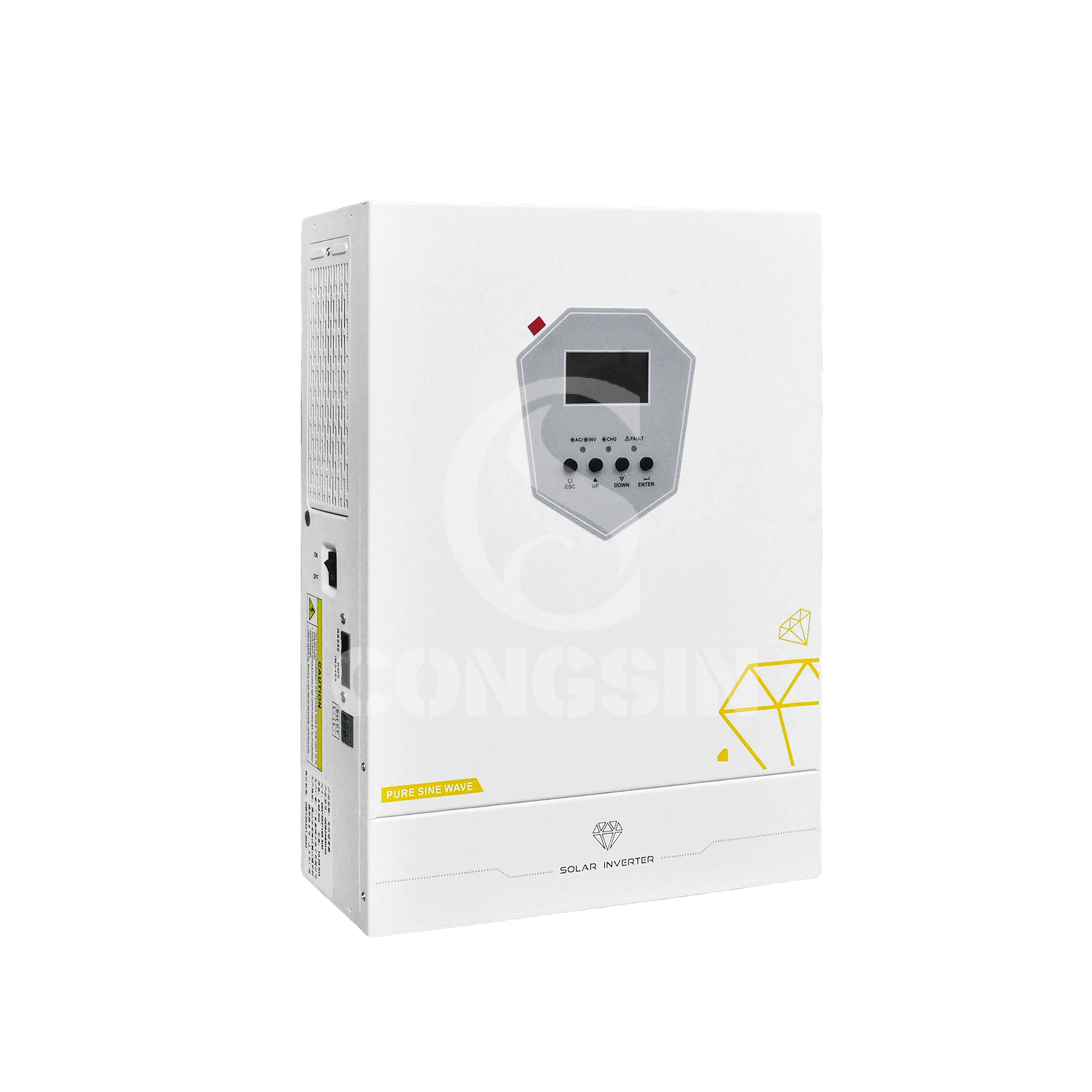
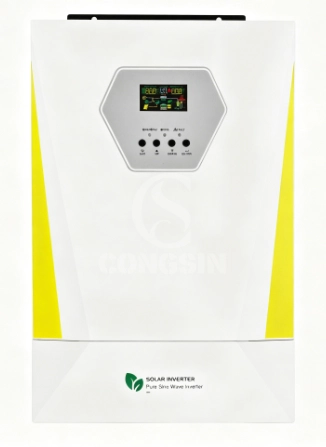
Power your solar system efficiently with the Congsin 4000W and 6000W Hybrid Inverter. Featuring an integrated MPPT Controller, this CE Certified inverter ensures optimal energy conversion. Monitor performance effortlessly via the intuitive LCD Display. Reliable, powerful, and ready for your sustainable energy needs.
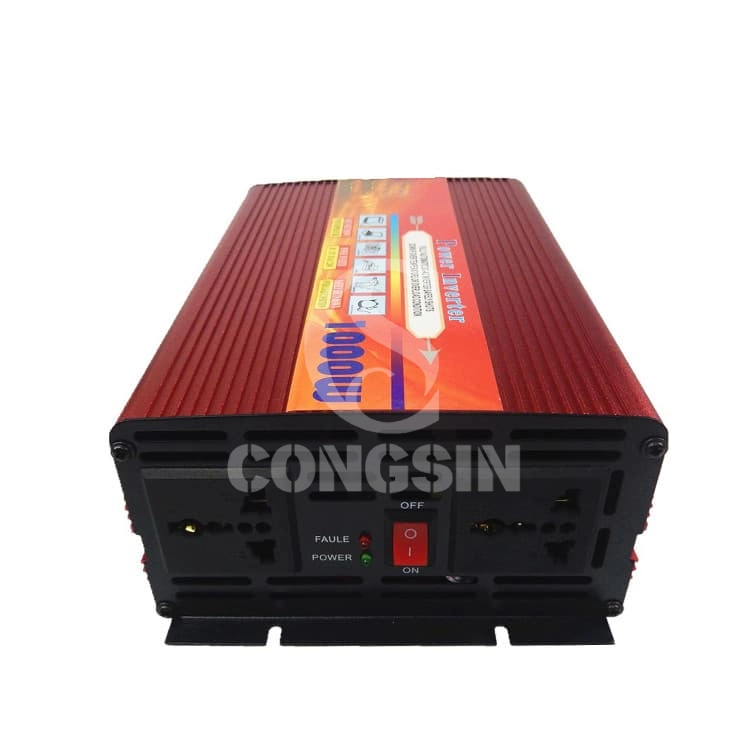
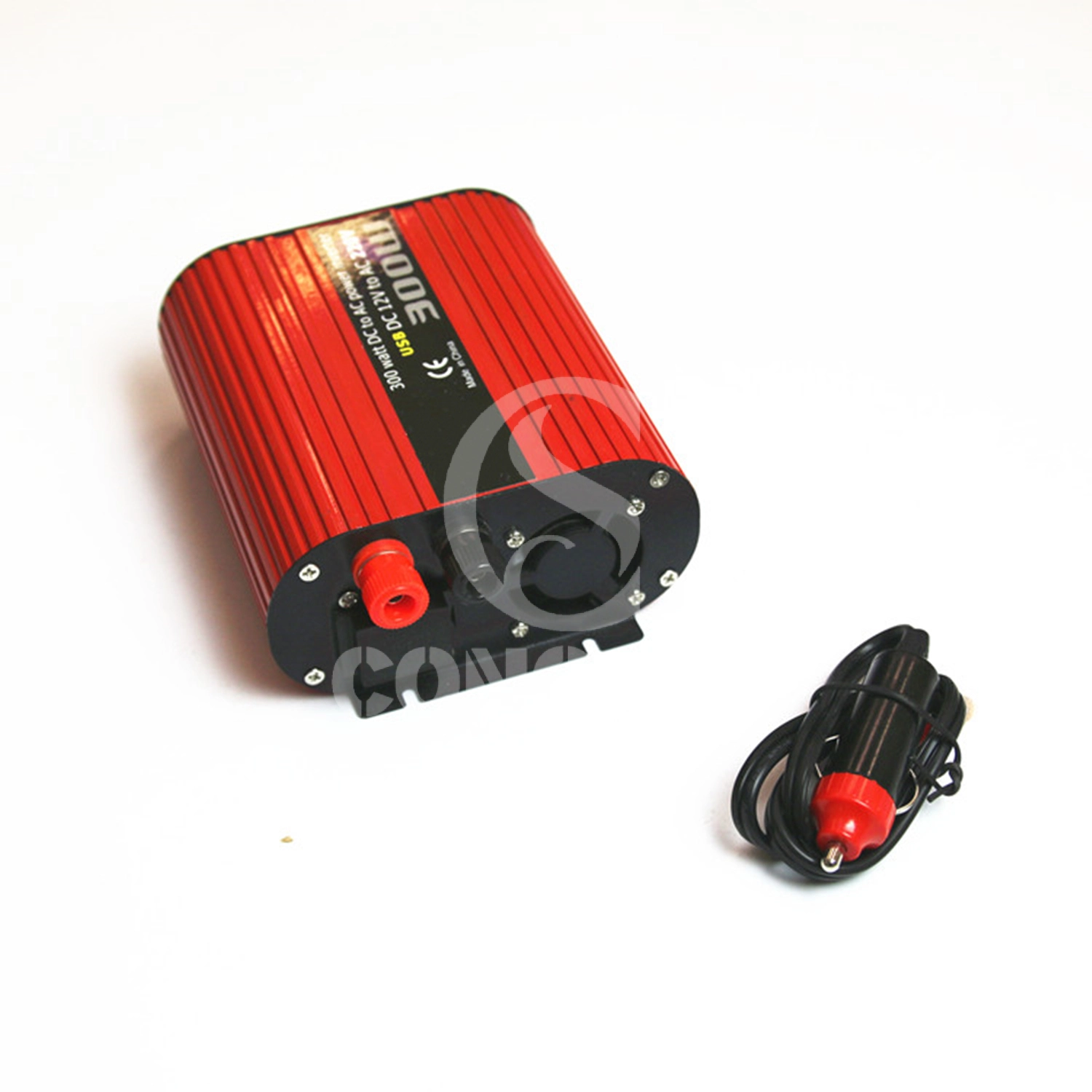
Congsin's Portable 150W Modified Sine Wave Inverter powers your journey! This versatile Car Power Inverter with USB acts as a reliable 12V to 220V converter, ensuring an essential off-grid power supply. With dual USB ports and a universal socket, enjoy convenient power on the go.
Get in Touch with Our Team
You can also communicate with us directly through our online contact form. Please fill in the following information, and our team will contact you as soon as possible after receiving your message.

CONGSIN is a trusted OEM factory for power inverters, solar charge controllers, and DC converters. Reliable solutions for global B2B buyers.
 High Quality
 7/24 Service
 Guaranteed Warranty
© 2025 Congsin. All Rights Reserved.
 WeChat
 Scan QR Code
sin cong
teaimei10
Whatsapp: +8618028086791
Scan QR Code